
Hunting Land as an Investment: When Passion Meets Portfolio
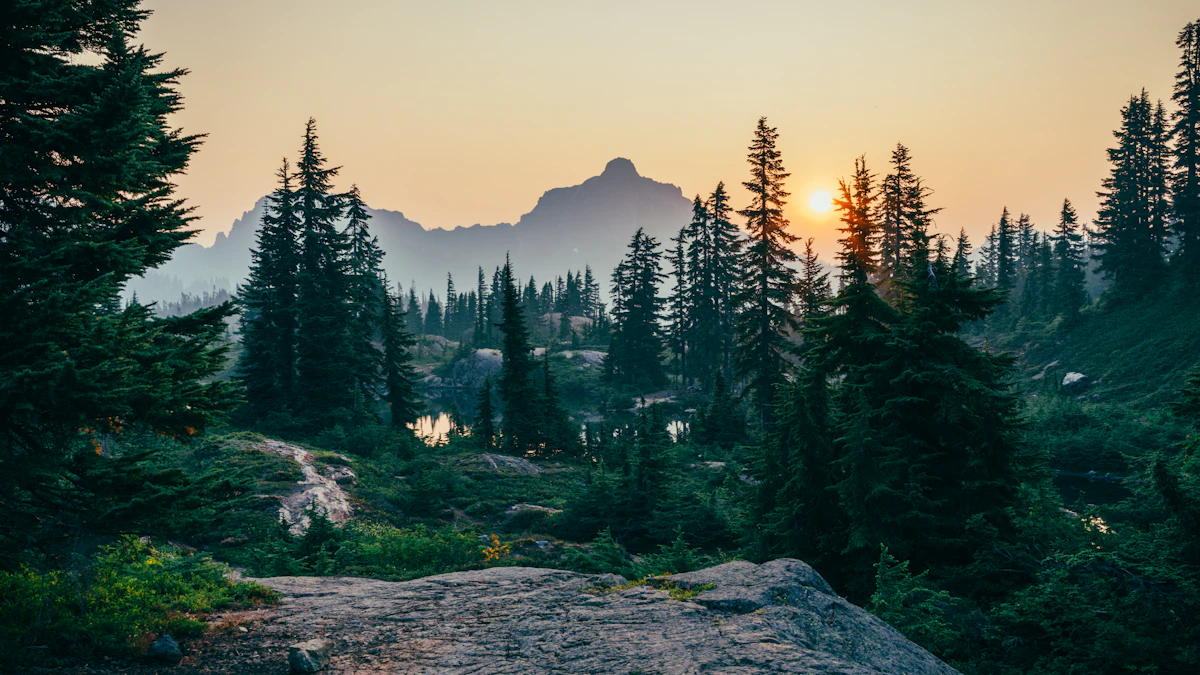
There's something deeply Minnesotan about owning a piece of land where you can hunt. The appeal goes beyond investment returns: it's about having your own place, managing habitat, passing on traditions to the next generation. But hunting land also represents a significant financial decision that deserves clear-eyed analysis.
The good news: recreational land in Minnesota has appreciated substantially over the past two decades. The challenging news: owning and managing land well requires commitment, knowledge, and ongoing investment. Understanding both sides helps you make a decision you won't regret.
The True Cost of Land Ownership
When you find a property that excites you, it's easy to focus on the asking price and imagine yourself hunting there next season. Slow down and consider the full picture.
Property taxes continue indefinitely. Unlike a cabin, raw land often receives less favorable tax treatment. Annual property taxes of $5 to $15 per acre are common for recreational land in Minnesota. A 160-acre parcel might carry $1,500 to $2,500 in annual property taxes regardless of whether you hunt there or not.
Access requires infrastructure. Many hunting parcels lack year-round access. Building and maintaining roads or trails costs money. Gates and signage prevent trespass but require installation. If the property lacks legal access, you face either negotiating easements or remaining landlocked.
Improvements add value but cost money. Food plots, tree stands, shooting houses, trails, and wildlife habitat improvements don't happen for free. A serious hunting property might absorb $5,000 to $20,000 in improvements over the first few years, with ongoing maintenance thereafter.
Insurance protects your investment. Liability coverage for land you own and potentially allow others to use is essential. If someone injures themselves on your property, you're exposed. Annual premiums vary based on acreage, use, and improvements, but budget several hundred dollars annually.
Land as Investment
Can hunting land actually be a good investment? The answer depends on what you're comparing it to and what timeframe you're considering.
Historical appreciation has been strong. Quality recreational land in Minnesota has appreciated 4-7% annually over the past two decades, with some areas doing better and others lagging. This compares favorably with inflation and provides a tangible asset.
But land generates no income unless you create it. Unlike dividend stocks or rental real estate, raw land sitting unused produces nothing but property tax bills. Your return comes entirely from appreciation, which isn't guaranteed.
Liquidity limitations matter. When you need to sell land, finding a buyer takes time. Unlike stocks you can sell in seconds, land sales involve months of marketing, negotiation, inspections, and closing processes. If you need money quickly, land isn't the answer.
Leverage amplifies both gains and risks. Financing land purchase means mortgage payments whether land values rise or fall. During difficult economic periods, recreational land buyers disappear, potentially leaving you with payments on an asset you can't sell.
Timber Management Opportunities
Forested land creates potential income streams that pure agricultural land lacks.
Timber harvests provide periodic income. Mature timber can be worth substantial money, potentially $1,000 to $3,000 per acre for quality hardwood stands. However, harvests only make sense every 10-20 years for sustainable management. This isn't annual income.
Timber management affects hunting quality. Selective harvesting can improve wildlife habitat by creating edge habitat and promoting diverse vegetation. Clear-cutting might maximize timber revenue but often hurts hunting quality for years. Balance your objectives.
Cost-share programs help offset management expenses. Programs through the Minnesota DNR, USDA, and conservation organizations can fund timber stand improvement, wildlife habitat work, and access development. These programs have requirements and timelines, but can cover 50-75% of project costs.
Property tax programs favor managed forestland. Minnesota's Sustainable Forest Incentive Act (SFIA) provides reduced property taxes for enrolled forestland in exchange for management commitments. The savings can be substantial, but enrollment requirements restrict some landowner options.
Conservation Easements
For landowners committed to long-term ownership and land stewardship, conservation easements offer significant financial benefits.
What you're selling. A conservation easement permanently restricts development rights on your land. You retain ownership and can continue using the property for hunting, timber management, and other compatible uses. But you give up the right to subdivide, develop, or convert the land to incompatible uses.
The tax benefits can be substantial. The value of the donated easement, typically the difference between unrestricted and restricted land value, becomes a charitable deduction. For appreciated land, this can mean deductions of hundreds of thousands of dollars spread over multiple tax years.
Estate planning benefits matter too. Land under conservation easement often has lower fair market value for estate tax purposes, potentially reducing estate tax exposure significantly.
The commitment is permanent. Once recorded, a conservation easement runs with the land forever, binding all future owners. This isn't a decision to make lightly. Your heirs will inherit land with these restrictions, whether they share your conservation values or not.
Succession Planning for Hunting Land
How you structure ownership affects both current use and future transfer.
Joint ownership creates complications. When siblings inherit land equally, every decision requires agreement. Selling, improving, or even deciding who hunts when becomes contentious. These arrangements often end with forced sales that nobody wanted.
LLC structures provide flexibility. Holding land in an LLC allows you to establish governance rules, plan for ownership transitions, and potentially reduce estate tax exposure through gifted shares. The operating agreement specifies how decisions get made when owners disagree.
Life insurance can fund buyouts. If you want the land to stay in the family but not all children want ownership responsibility, life insurance proceeds can buy out uninterested heirs while transferring land to those who will use and care for it.
Start conversations early. The worst time to discuss hunting land succession is after someone dies. Talk with your children about their interest in the land, their ability to afford their share of ongoing costs, and their vision for its future. These conversations are easier while options remain flexible.
Due Diligence Before Purchase
Before buying hunting land, investigate thoroughly.
Verify legal access. Many properties advertise access that's actually permissive rather than legally guaranteed. An easement recorded with the deed provides security. A handshake agreement with a neighbor doesn't.
Understand the timber. If the property has timber value, get a professional assessment. Previous owners may have harvested the best trees, leaving you with a longer wait until the next productive harvest.
Check for environmental issues. Old dump sites, abandoned wells, and contamination from past uses create liability and cleanup obligations. Environmental due diligence costs money but protects you from inheriting problems.
Research the neighbors. Who owns adjacent land and how do they use it? A property surrounded by public land or like-minded private owners has different character than one bordered by potential development.
Review hunting pressure. Is the area overhunted? What's the deer population trend? Talk to local conservation officers and neighboring landowners to understand what you're buying into.
Making Your Decision
Hunting land ownership works well for people who approach it with clear expectations.
You'll enjoy ownership most if you value the land for its recreational use first and any investment return second. If you're buying primarily for appreciation, other investments likely serve better.
The ongoing costs and management commitment suit people who enjoy land stewardship as a hobby. If maintaining food plots and managing timber sounds like work rather than pleasure, consider leasing hunting access instead of owning.
Financial flexibility matters. If carrying costs strain your budget or tie up capital you might need, the stress can overshadow the enjoyment. Buy land you can afford to hold indefinitely.
Professional Guidance
Land purchases benefit from professional input at multiple stages.
Before buying, have a forester assess timber value and an attorney review title and access issues.
After purchase, work with a wildlife biologist or conservation organization on habitat management planning.
For tax optimization, consult with an accountant familiar with timber taxation and conservation easements.
For estate planning, engage an attorney experienced with rural land succession and conservation tools.
The goal is owning land that brings you satisfaction for decades while making financial sense for your overall situation.
Schedule a consultation to discuss your land investment planning.