
Agricultural Land: Should You Keep the Family Farm?
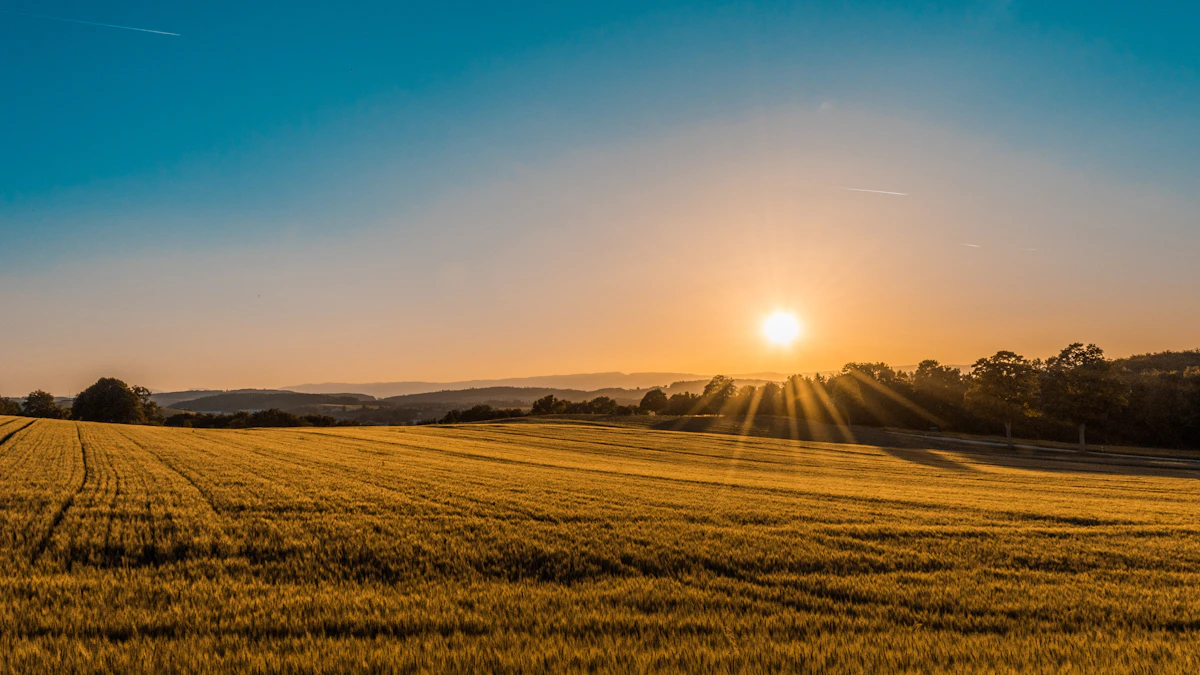
The question arrives eventually for many Minnesota families: what do we do with the farm? Maybe you inherited land from parents. Maybe you're the farming generation deciding whether to pass it on or sell. Maybe you're a sibling who inherited a share of land you don't farm yourself.
These decisions carry weight beyond finances. Land connects families to their history, to the work of previous generations, to a sense of place and identity. But emotional attachment doesn't pay property taxes or generate retirement income. Finding the right answer requires clear thinking about both dimensions.
Understanding What You Have
Before deciding anything, understand the full picture of the land you own or may inherit.
Land values have appreciated dramatically. Minnesota farmland that sold for $500 per acre in the 1980s might now be worth $8,000 to $15,000 per acre or more, depending on location and productivity. This appreciation has turned many modest family farms into multimillion-dollar assets with corresponding estate tax implications.
Rental income varies by arrangement. Cash rent, crop share, and custom farming each produce different income levels with different risk profiles. Understanding current arrangements and market alternatives helps assess the land's financial contribution.
Property taxes continue regardless. Agricultural property in Minnesota receives favorable tax treatment compared to other property types, but taxes still represent a significant annual cost that the land must justify.
Basis matters for sales. If you inherited land, your tax basis is the value at the date of death, not the original purchase price. If you received land as a gift during life, you carry over the donor's original basis. This difference dramatically affects capital gains tax on eventual sale.
The Case for Keeping
Strong arguments exist for retaining family farmland.
Ongoing appreciation potential. While past appreciation doesn't guarantee future returns, farmland has historically maintained value well and provided inflation protection that financial assets don't always match.
Rental income provides cash flow. Well-managed farmland generates steady income through rent, typically yielding 2-4% of land value annually. This income tends to be stable and somewhat recession-resistant.
Tax advantages favor long-term holding. Stepped-up basis at death eliminates accumulated capital gains. Heirs who hold rather than sell preserve this benefit and reset the basis for the next generation.
Connection to family history. For some families, maintaining land ownership preserves a tangible connection to ancestors and heritage. This has real value, even if it doesn't appear on balance sheets.
Optionality remains. Keeping land preserves the option to sell later, farm it yourself, or develop it differently. Selling eliminates options permanently.
The Case for Selling
Equally strong arguments support selling inherited or held farmland.
Concentration risk is real. A family with $2 million in farmland and $200,000 in other assets has extreme concentration. Diversifying some land wealth into other investments reduces risk significantly.
Management burden falls somewhere. Even rented land requires decisions about leases, tenants, maintenance, taxes, and eventual succession. Someone has to manage these responsibilities.
Cash funds other goals. Sale proceeds can fund retirement, help children with home purchases, support grandchildren's education, or enable charitable giving. Land can't do these things without selling.
Not all heirs value land equally. When one sibling wants to farm and three don't, forcing shared ownership creates conflict. Selling allows equal distribution of liquid assets.
Life circumstances change. Land that made sense to hold at 50 may not make sense at 80 when you need liquidity for healthcare, can't manage it effectively, and want simplicity.
Partial Solutions
The choice isn't always keep everything or sell everything.
Sell some, keep some. Particularly for larger holdings, selling a portion provides liquidity and diversification while maintaining some land ownership.
Sell development rights, keep the land. Conservation easements compensate landowners for permanently restricting development while maintaining agricultural use and ownership.
Sell to a family member. If one heir wants to farm and others don't, selling to the farming heir at fair value can satisfy everyone while keeping land in the family.
Special Considerations for Inherited Land
When you inherit farmland, specific factors affect your decision.
The stepped-up basis changes the calculation. Your basis is the date-of-death value, so selling immediately triggers minimal capital gains tax. Holding means future appreciation will eventually face taxation (unless held until your death, when basis steps up again).
Income tax liability exists for IRA beneficiaries but not land. If you inherit both farmland and an IRA, the IRA distributions are taxable while the land appreciation isn't (until sale). This may affect which asset to liquidate if you need cash.
Family dynamics matter. How you received the land, whether other siblings received comparable assets, and what the deceased's wishes were all affect what feels right, not just what's financially optimal.
Managing Land You Keep
If you decide to retain farmland, proper management maximizes its benefit.
Review rental arrangements regularly. Cash rents should reflect current market rates. Leases should protect your interests while providing tenure security that encourages tenant investment in the land.
Maintain good tenant relationships. A reliable tenant who cares for your land has real value. Don't sacrifice good relationships for marginal rent increases.
Plan for property taxes. Agricultural classification provides favorable treatment, but rates and values change. Budget for taxes and stay current on any programs that might reduce your burden.
Document everything. Keep records of improvements, rental income, expenses, and basis information. Your heirs will need this when they face their own decisions.
Consider entity structure. For larger holdings or multi-generational ownership, LLC or trust structures may provide liability protection, estate planning benefits, and clearer governance.
Tax Planning for Farmland
Several tax strategies apply specifically to agricultural land.
1031 exchanges defer gains. Selling one property and buying another of like kind can defer capital gains tax indefinitely. This allows repositioning your land holdings without immediate tax consequences.
Installment sales spread income. Selling land with payments over multiple years spreads the gain across tax years, potentially keeping you in lower brackets.
Charitable remainder trusts provide options. Contributing appreciated land to a CRT can provide lifetime income, avoid immediate capital gains, and eventually benefit charity.
Conservation easements generate deductions. Donating development rights creates charitable deductions that can offset other income, sometimes for multiple years.
Making Your Decision
The right answer depends on your specific circumstances.
How important is liquidity? If you need cash for retirement, healthcare, or other goals, selling makes more sense. If you have adequate liquidity elsewhere, holding becomes more attractive.
What's your timeline? If you're 75, simplifying your affairs may take priority over optimizing returns. If you're 55, you have more runway for land appreciation.
How capable is management? If you can effectively oversee the land, keeping it works. If management is a burden, selling or delegating management deserves consideration.
What do other family members think? Decisions about family land benefit from family input, even if final authority rests with the legal owners.
What would your predecessors have wanted? This question deserves consideration, though it shouldn't be determinative. Your parents may have wanted you to keep the land, but they also wanted you to be financially secure.
Professional Guidance
Farmland decisions benefit from multiple perspectives.
Tax implications deserve professional analysis before any sale.
Estate planning should address how land fits into your overall succession plan.
Agricultural expertise from farm managers, real estate specialists, or agricultural lenders provides market perspective.
Financial planning context ensures land decisions fit your broader financial picture.
These decisions are too consequential to make without professional input.
Schedule a consultation to discuss your family land situation.