
Cabin Finances: The True Cost of Lake Property in Minnesota
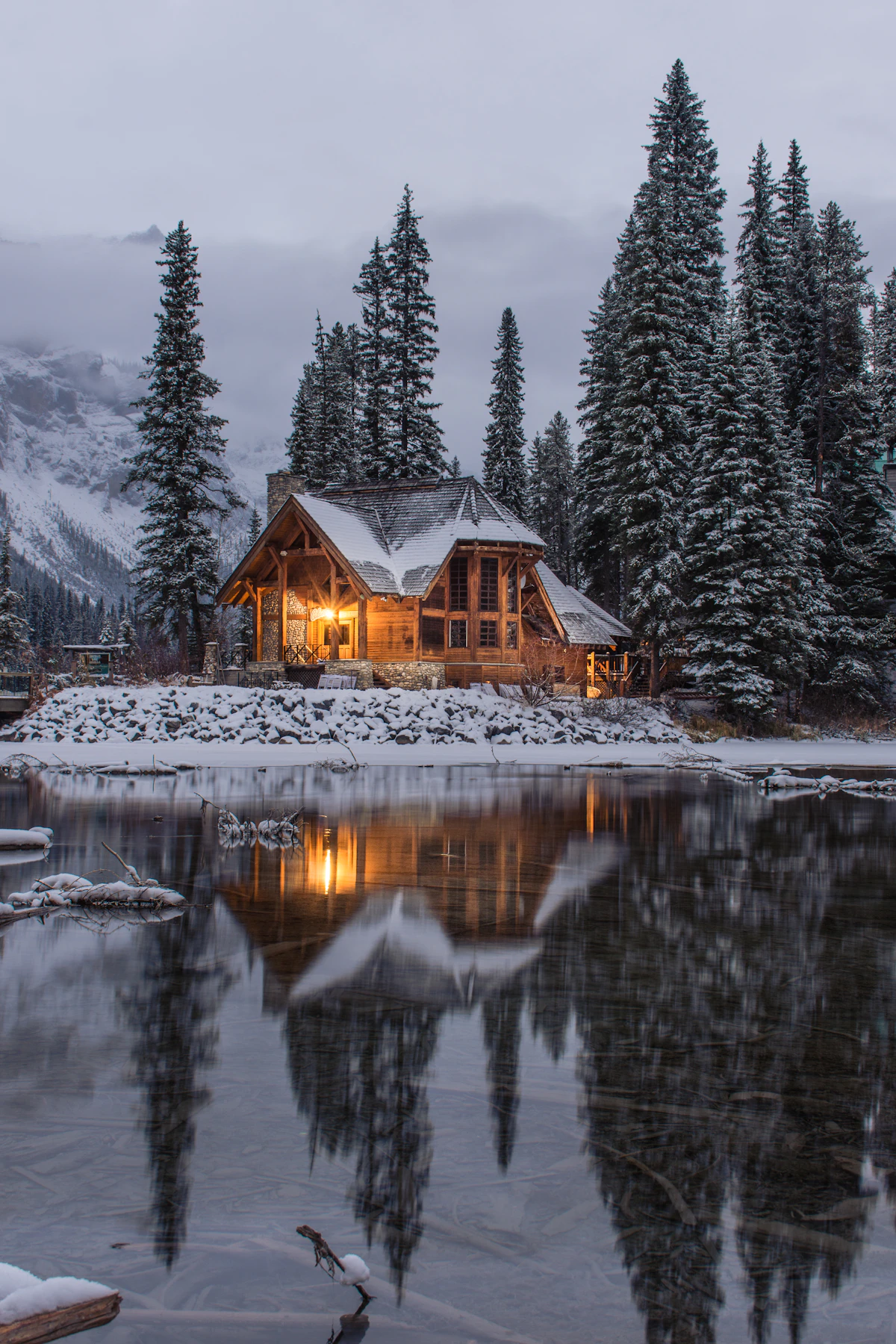
The dream is universal among Minnesotans: a cabin on the lake, a place where generations gather, where summers mean fishing at dawn and evenings around the fire. What's less universal is understanding what that dream actually costs, both in dollars and in planning complexity.
Lake property in Minnesota has appreciated significantly over the past two decades, making cabins both valuable family assets and sources of financial stress. The families who navigate cabin ownership successfully tend to share one trait: they planned ahead, understanding the full picture before making decisions.
The Purchase: Beyond the Listing Price
When you find a cabin you love, the listing price is just the beginning of your financial commitment. Minnesota lake properties carry costs that surprise first-time buyers.
Property taxes vary dramatically by location. A cabin assessed at $400,000 might cost $4,000 annually in one county and $8,000 in another. Lake properties often face higher mill rates than primary residences, and lakefront footage can trigger additional assessments. Before making an offer, request the actual tax history, not just the assessed value.
Insurance presents unique challenges. Standard homeowners policies often exclude or limit coverage for seasonal properties. You'll likely need a separate dwelling policy with specific endorsements for water damage, dock coverage, and liability for guests. Flood insurance, though rarely required by lenders for elevated properties, deserves serious consideration. Annual premiums of $2,000 to $5,000 are common for adequate coverage.
Well and septic systems require inspection and ongoing maintenance. Many cabins rely on aging systems that meet grandfather clauses but wouldn't pass current code. Septic system replacement runs $15,000 to $40,000 depending on soil conditions and setback requirements. Well issues can be equally expensive. Get inspections before purchase, not after.
Annual Operating Costs
Once you own the cabin, annual costs extend well beyond the mortgage payment.
Utilities follow seasonal patterns but add up. Even minimal winter heating to prevent freeze damage costs several hundred dollars monthly. Summer electricity for air conditioning, well pumps, and modern conveniences often surprises owners accustomed to their primary home's efficiency. Budget $200 to $500 monthly averaged across the year.
Maintenance compounds in ways primary homes don't. Lake properties face harsher conditions: freeze-thaw cycles, moisture exposure, wildlife intrusion during vacant periods. Figure 1-2% of property value annually for maintenance, higher for older structures. A $300,000 cabin needs $3,000 to $6,000 annually just to maintain current condition, before any improvements.
Association fees and lake assessments vary widely. Some lakes have active associations funding water quality programs, invasive species treatment, and road maintenance. Others have minimal organization. Understand what you're buying into and what future assessments might look like.
Property management becomes necessary for many owners. Someone needs to check the property during winter, handle emergencies, coordinate repairs. Professional property management runs $100 to $300 monthly. The alternative, driving up yourself for every issue, carries its own costs in time and fuel.
The Family Dynamics
Here's where cabin ownership gets complicated in ways spreadsheets can't capture.
Usage expectations rarely align perfectly. When three siblings inherit a cabin, how do they divide summer weeks? What happens when one family has five kids and another has none? When one sibling lives an hour away and another lives in Arizona? These conversations need to happen explicitly, ideally before anyone inherits anything.
Financial contributions create friction. The sibling who can afford major repairs and the sibling who's stretched thin paying their share of property taxes will eventually clash. Establish clear expectations for capital calls, maintenance responsibilities, and what happens when someone can't pay.
Buyout scenarios require advance planning. What happens when one owner wants out? How do you value the property? Does family get right of first refusal? At what price? These questions are easier to answer without the emotional charge of an actual departure.
Passing the Cabin to the Next Generation
Minnesota's estate tax and the complexity of real property create specific planning needs for cabin succession.
Minnesota estate tax exemption sits at $3 million. For families with a valuable cabin plus other assets, this threshold matters. A $500,000 cabin combined with retirement accounts, life insurance, and a primary residence can push an estate over the limit, triggering Minnesota estate tax that families often haven't planned for.
Outright inheritance rarely works smoothly. Leaving the cabin equally to three children creates a three-way ownership nightmare. Every decision requires consensus. Every expense needs splitting. Every disagreement has no clear resolution mechanism. This structure fails more often than it succeeds.
Family LLCs offer structure and flexibility. Transferring the cabin to an LLC, then gifting LLC shares over time, provides governance rules, usage agreements, and mechanisms for ownership changes. The operating agreement specifies how decisions get made, how expenses get shared, how buyouts work. This structure costs a few thousand dollars to establish and requires annual maintenance, but prevents vastly more expensive family conflicts.
Life insurance can fund buyouts. If the goal is keeping the cabin in the family, but not all heirs want or can afford ownership, life insurance on the current owners can provide cash for buying out uninterested heirs while transferring the property to those who want it.
Rental Income: Opportunity and Complication
Many cabin owners offset costs through rental income. This strategy works, but creates complexity.
Tax treatment changes when you rent. A cabin used personally becomes a second home with mortgage interest deductions. Add rental income, and you're now operating a business with depreciation, expense deductions, and different rules. The tax benefits can be substantial, but require proper tracking and reporting.
Rental income affects future sales. Depreciation you've claimed must be recaptured at sale, even if the property appreciated. A cabin you've depreciated for ten years of rental use will trigger recapture tax when sold, potentially surprising owners who only considered capital gains.
Short-term rentals face increasing regulation. Many Minnesota counties and townships have implemented or are considering restrictions on short-term rentals. Check current rules and proposed changes before building a rental strategy into your cabin economics.
Making the Decision
Lake property ownership works well for some families and creates ongoing stress for others. Before buying, ask yourself:
Can you afford the ongoing costs without rental income, in case regulations change or you decide you'd rather not share your retreat with strangers?
Have you had explicit conversations with family members about expectations, usage, costs, and eventual succession?
Does the property fit your actual usage pattern? A three-hour drive for a weekend cabin means significantly less use than one hour away.
Are you prepared for the maintenance commitment, either personally or through paid management?
Getting Professional Guidance
Cabin purchases and succession planning involve real estate, tax, estate planning, and family dynamics. Few families have expertise in all these areas.
Before buying, have an accountant model the tax implications including property tax, income tax effects of rental use if planned, and estate tax exposure.
Before inheriting, consult an estate planning attorney about structures that can prevent family conflict while achieving tax efficiency.
Before selling, understand the full tax consequences including depreciation recapture and Minnesota-specific rules.
The goal is making informed decisions. Lake property can be a tremendous family asset across generations, or it can be a source of ongoing financial strain and family tension. The difference usually comes down to planning.
Schedule a consultation to discuss your cabin planning needs.