
The 2008 Lesson: What Minnesota Families Lost and How to Protect Yourself
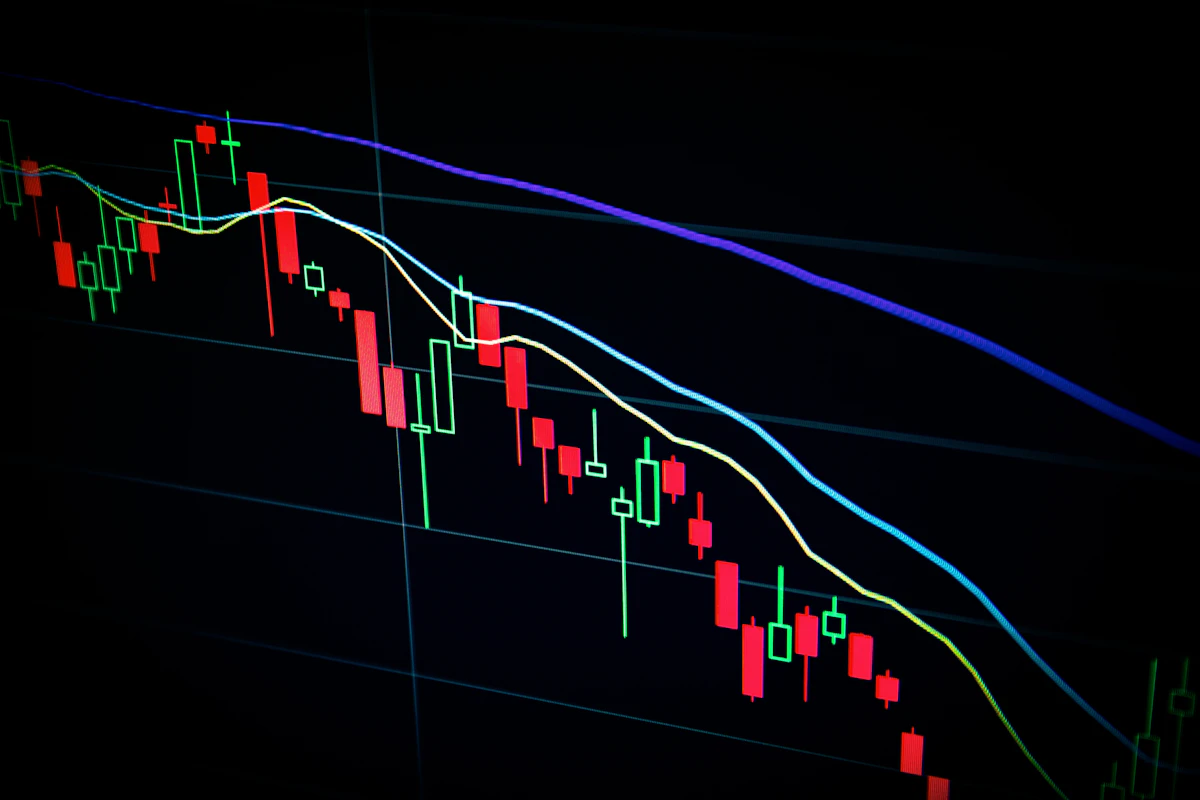
In October 2008, a retired teacher in Rochester watched her retirement savings drop 40% in a matter of weeks. A small business owner in Duluth saw his company's value collapse just as he'd planned to sell and retire. A young family in the Twin Cities found themselves underwater on a home they'd bought at the peak, trapped by negative equity.
These weren't reckless speculators. They were ordinary Minnesotans who followed conventional financial advice: diversify, stay invested for the long term, don't panic. The advice was meant to protect them. Instead, they experienced the worst financial crisis since the Great Depression.
The scars from 2008 remain visible across Minnesota. Some families recovered. Others never did. Understanding what happened and why helps us prepare for whatever comes next.
What Actually Happened
The conventional narrative is that 2008 was a once-in-a-generation event, unpredictable and unavoidable. This narrative is comforting but incomplete.
Warning signs existed. Housing prices had risen far beyond historical norms relative to incomes. Mortgage lending had become reckless. Credit was extended to borrowers who couldn't repay. Financial institutions had leveraged themselves dangerously. These conditions were visible to anyone paying attention.
The signals were dismissed. Financial media assured investors that fundamentals were sound, that any concerns were overblown, that staying the course was the only sensible approach. People who raised alarms were labeled pessimists or permabears.
The decline was severe. The S&P 500 fell 57% from peak to trough. A $1 million portfolio became $430,000. The "diversified" portfolios that advisors recommended suffered nearly identical declines because correlations converged during the crisis.
Recovery took years. The S&P 500 didn't return to its pre-crisis peak until 2013. For retirees who needed to withdraw funds during those years, the recovery came too late. Their portfolios never fully recovered because they were forced to sell at depressed prices to fund living expenses.
The Minnesota Impact
The crisis hit Minnesota in specific ways.
Housing values collapsed. Minnesota home prices fell over 25% from peak to trough. Families who had built equity found themselves underwater. Those who needed to move for jobs couldn't sell without bringing money to closing.
Retirement accounts were devastated. The average 401(k) balance dropped 31% in 2008 alone. Minnesotans approaching retirement faced a terrible choice: delay retirement by years or accept a dramatically reduced standard of living.
Small businesses suffered. Credit froze. Customers cut back. Businesses that had survived for decades closed. The owners lost not just their income but their life's work.
The psychological damage lingered. Many people who lived through 2008 remain scarred. They distrust financial markets, maintain excessive cash positions, or refuse to participate in any investment strategy. This fear, while understandable, carries its own costs.
Lessons for Future Protection
What can we learn from 2008 to better prepare for future crises?
Diversification didn't work as advertised. The portfolio theory taught in finance classes assumes that different asset classes move independently. In 2008, everything fell together. Stocks, real estate, corporate bonds, international markets, all declined simultaneously when investors panicked. True diversification requires uncorrelated returns, not just different asset labels.
"Stay the course" works differently at different life stages. A 30-year-old who stayed invested through 2008 eventually recovered and then some. A 65-year-old who stayed invested while withdrawing for retirement locked in permanent losses. The same advice produces very different outcomes depending on where you are in life.
Sequence of returns matters enormously. Experiencing a major decline early in retirement is fundamentally different from experiencing it late. The math works against early declines because you're selling shares to fund expenses at the worst possible time.
Cash reserves provide options. Families with substantial cash reserves could wait out the crisis without selling investments at the bottom. Those without reserves faced forced sales at the worst times. Emergency funds aren't just for emergencies like job loss; they're for market emergencies too.
The Case for Downside Protection
These lessons point toward a different approach than conventional advice.
Avoiding losses matters more than maximizing gains. The math is simple: if you lose 50%, you need 100% gains just to break even. A portfolio that loses only 20% when the market loses 50%, then gains 60% of market upside, will outperform over time while providing a much smoother ride.
Risk management should be active, not passive. Passive approaches to risk mean accepting whatever the market delivers. Active risk management means adjusting exposure based on conditions. Just as you reduce outdoor activity when dangerous weather approaches, you can reduce market exposure when conditions become threatening.
Some warning signs recur. Excessive valuations, leverage buildup, complacency about risk, yield chasing: these conditions preceded 2008 and will precede future crises. Recognizing them doesn't guarantee avoiding every decline, but it improves odds of avoiding the worst ones.
Cost of protection is worth paying. Insurance costs money even when you don't file claims. Risk management in portfolios similarly has costs, typically some underperformance during strong bull markets. But avoiding catastrophic losses is worth this insurance premium.
Practical Protection Strategies
How do you actually implement downside protection?
Reduce exposure when conditions warrant. This doesn't mean market timing based on predictions. It means having rules for reducing equity exposure when technical and fundamental indicators deteriorate, and restoring exposure when conditions improve.
Maintain meaningful cash reserves. Cash feels wasteful during bull markets but proves invaluable during crises. Having two to three years of expenses in stable reserves allows you to avoid selling equities during downturns.
Consider alternative return sources. Strategies that don't rely on market direction, strategies that profit from volatility, strategies that target specific risks rather than broad market exposure, can provide returns uncorrelated with traditional portfolios.
Stress test your plan. What happens to your financial plan if 2008 repeats next year? If you can't tolerate that outcome, your current portfolio is too aggressive for your situation.
The Next Crisis
Another major market decline will occur. We don't know when, or what will trigger it, or exactly how severe it will be. But we know it's coming eventually.
The question isn't whether you'll experience significant market declines during your investing lifetime. The question is how prepared you'll be when they arrive.
Will you have cash reserves to avoid forced selling?
Will you have reduced exposure if warning signs appeared beforehand?
Will your portfolio include strategies that hold up better in difficult conditions?
Will your withdrawal plan account for the possibility of early-retirement drawdowns?
These questions are easier to address before the next crisis than during it.
Taking Action
If 2008 taught us anything, it's that preparation matters more than hope.
Assess your current exposure. How much would a 50% market decline affect your portfolio? Your retirement plans? Your lifestyle?
Evaluate your cash reserves. Could you fund two to three years of expenses without selling investments? If not, building reserves deserves priority.
Consider active risk management. Passive acceptance of market volatility isn't your only option. Strategies exist that aim to reduce drawdowns while participating in market gains.
Work with someone who prioritizes protection. Not all financial advisors emphasize risk management. Some simply recommend diversified portfolios and hope for the best. Find someone who takes downside protection seriously.
The Minnesota families who struggled through 2008 didn't lack intelligence or discipline. They followed advice that left them exposed to risks they didn't fully understand. You don't have to repeat their experience.
Schedule a consultation to discuss downside protection strategies.